The Sacred Vessel: How Sailing on a Handcrafted Konjo Pinisi Deepens Your Spiritual Journey
Curated by Kevin Winda – Ocean Wellness Guide & Retreat Curator
Published: March 04, 2026 • Last updated: May 22, 2026
In the turquoise waters of Indonesia, where ancient seafaring traditions meet the modern quest for inner peace, the Konjo pinisi (phinisi) stands as a timeless bridge between past and present. Far more than a wooden sailing ship, this handcrafted vessel—built by the masterful Konjo people of South Sulawesi — is a sacred artifact infused with intention, reverence, and profound spiritual meaning. The traditional pinisi embodies centuries of ancestral wisdom, community rituals, and a deep connection to the sea as a living, breathing force.
The Konjo People: Master Craftsmen of the Pinisi
The Konjo, a coastal sub-group within the broader Bugis-Makassar cultural sphere, are the renowned shipwrights behind these iconic vessels. Living in villages like Ara, Tana Beru (Tanah Beru), and Bira in Bulukumba Regency, South Sulawesi, they craft each pinisi entirely by hand using time-honored techniques passed down through generations—no blueprints, only oral knowledge, experience, and harmony. While the broader Bugis people are legendary sailors and navigators who once traded across vast oceans, it is the Konjo hands that shape the wood into these elegant, two-masted schooners rooted in Bugis maritime heritage but distinctly crafted with Konjo precision and spirituality.
Construction is not merely technical; it is a spiritual process. Builders select sacred woods — often ironwood or other dense local timbers — with rituals that honor the forest spirits, asking permission before felling a tree. The keel, considered the "soul of the boat," is laid during ceremonies involving offerings, prayers, and blessings from elders to invoke protection from sea spirits and ancestors. Every stage — from shaping planks joined with wooden pegs to raising the masts — follows lunar phases, star alignments, and customary rites like maccera lopi (blessing the boat) or sangka bala rituals for safety. The pinisi is viewed as a living being, symbolizing harmony between human skill, nature, and the divine.
Boarding in Bulukumba: A Grounding Ritual for Modern Seekers
Stepping aboard a traditional Konjo pinisi in Bulukumba — the authentic heartland of pinisi boatbuilding — transforms into a grounding ritual. Beaches here are lined with open-air shipyards where you can witness master craftsmen at work, hear the rhythmic chiseling, and feel the energy behind it. Boarding from these shores connects you directly to this living heritage, contrasting with more commercialized tourist versions elsewhere.
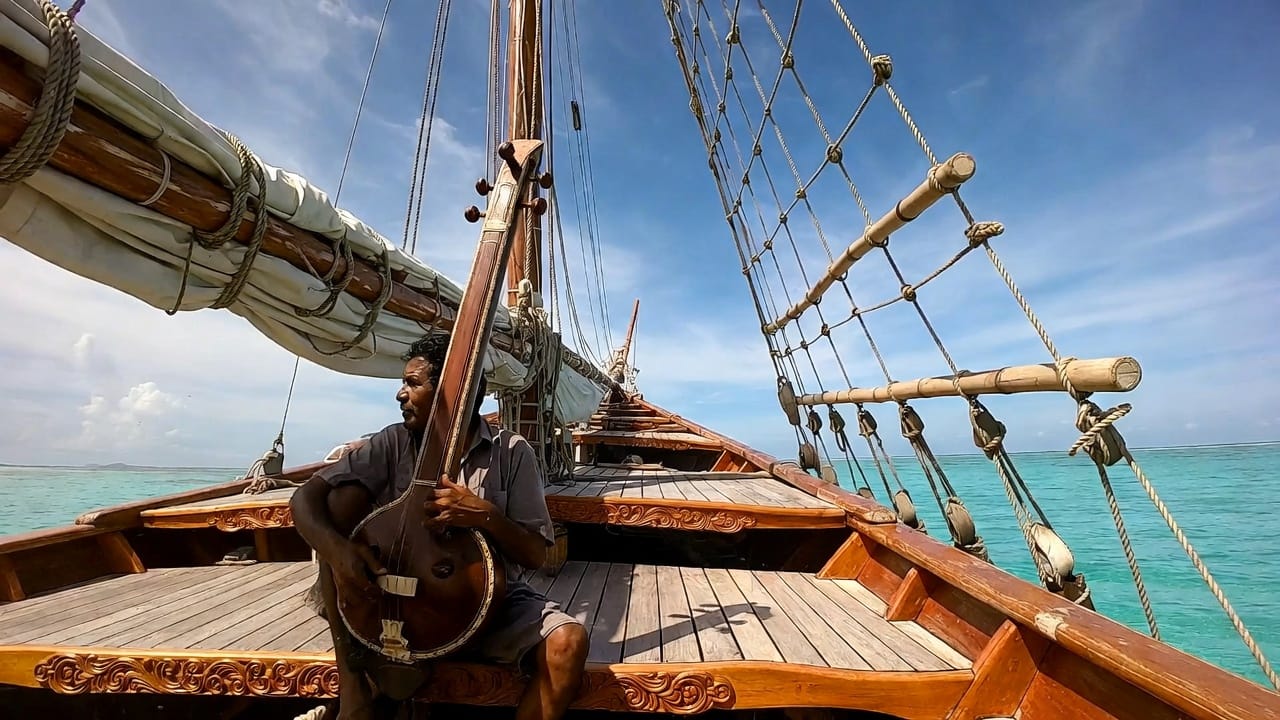
As the sails unfurl and the vessel glides into the open sea, the experience becomes an authentic spiritual reset. Surrender to the rhythms of wind and wave quiets the modern mind, fostering humility before the vast ocean that the Konjo and their Bugis kin have long revered as both provider and teacher. The gentle rocking, the sound of water against wood invite mindfulness, reflection, and reconnection with something greater — echoing the cosmology where human endeavors align with environmental and spiritual balance.
Why a Konjo Pinisi Sailing Deepens Your Spiritual Journey
- Immersion in Ancestral Wisdom: Sailing honors rituals that view the sea as alive and sacred, teaching surrender, resilience, and gratitude.
- Mindful Presence: Without modern distractions, the journey encourages presence, introspection, and inner peace amid nature's vastness.
- Cultural Connection: Engaging with Konjo communities fosters respect for indigenous knowledge, promoting a sense of unity and humility.
- Harmony with Nature: The eco-friendly, hand-built design reflects sustainable living and reverence for the environment.
- Personal Transformation: Many describe it as a pilgrimage — emerging renewed, grounded, and spiritually attuned.
For those seeking more than adventure, a voyage on a handcrafted Konjo pinisi offers profound depth: a floating sanctuary where history, spirituality, and the sea converge.
Planning Your Authentic Konjo Pinisi Experience
To truly honor this heritage, contact us on departing from Bulukumba or nearby areas, prioritizing those working directly with Konjo builders and communities. Witness a launch ceremony if possible, or simply board in the shipyard villages for an immersive start. Whether for meditation, reflection, or cultural exploration, this journey remains one of Indonesia's most authentic spiritual offerings.
Discover more authentic Indonesian journeys at kevinwinda.com.
FAQ: Konjo Pinisi and Spiritual Sailing in Indonesia
What is a Konjo pinisi? ›
A Konjo pinisi is a traditional wooden sailing ship handcrafted by the Konjo people of Bulukumba, South Sulawesi. It features a distinctive gaff-ketch rig and is built without nails, using wooden pegs and ancestral techniques. It is UNESCO-recognized as intangible cultural heritage.
Who builds the traditional pinisi boats? ›
The Konjo people, a sub-group in the Bugis-Makassar culture, are the primary master craftsmen (panrita lopi). They specialize in boatbuilding in villages like Ara, Tana Beru, and Bira, while Bugis people are more known as sailors and navigators.
Why is the pinisi considered sacred or spiritual? ›
Construction involves rituals, blessings, offerings to ancestors and sea spirits, and viewing the boat as a living entity (with the keel as its "soul"). The process aligns with lunar cycles and cosmology, emphasizing harmony with nature and the divine.
Where is the best place to board a traditional pinisi for a spiritual experience? ›
Bulukumba Regency, especially villages like Tana Beru, Ara, and Bira, offers the most authentic access. Boarding here allows witnessing shipyards and connecting directly to Konjo heritage.
Can sailing on a pinisi be a spiritual journey? ›
Yes — many describe it as meditative and transformative. The slow pace, and cultural immersion promote mindfulness, humility, and reconnection with the self and the world.
Are modern pinisi yachts still built traditionally? ›
Some versions preserve core Konjo techniques, rituals, and materials while adding comforts, maintaining spiritual and cultural integrity.
How long does it take to build a traditional pinisi? ›
Traditional builds can take 6–12 months or more, following rituals and seasonal alignments, with community involvement.
What should I expect on a Konjo pinisi sailing trip? ›
Expect windy travel, fresh seafood, island hopping, stargazing, and quiet reflection. Trips often include meditation practises, sound immersion, cultural interactions and opportunities for mindfulness.