
Wakatobi: Indonesia's Premier Remote Island Wellness Destination
Curated by Kevin Winda – Ocean Wellness Guide & Retreat Curator
Published: February 3, 2026 • Last updated: May 17, 2026
Nestled in the heart of Southeast Sulawesi, Wakatobi stands as a beacon for those seeking untouched nature and profound tranquility. This archipelago, comprising the islands of Wangi-Wangi, Kaledupa, Tomia, and Binongko, is a UNESCO Marine Biosphere Reserve renowned for its pristine coral reefs and exceptional marine biodiversity. Far from the crowds of mainstream tourism, Wakatobi offers a sanctuary for well-educated travelers pursuing wellness through immersion in remote islands, island hopping, coastal meditation, snorkeling, diving, and swimming in revitalizing clear waters teeming with life. Whether you're drawn to the serenity of ocean meditation or the thrill of exploring vibrant underwater ecosystems, Wakatobi promises a holistic escape that rejuvenates spirit, body and mind.
As part of our South East Sulawesi travel guide, this guide serves as your comprehensive resource for planning a transformative journey to Wakatobi.
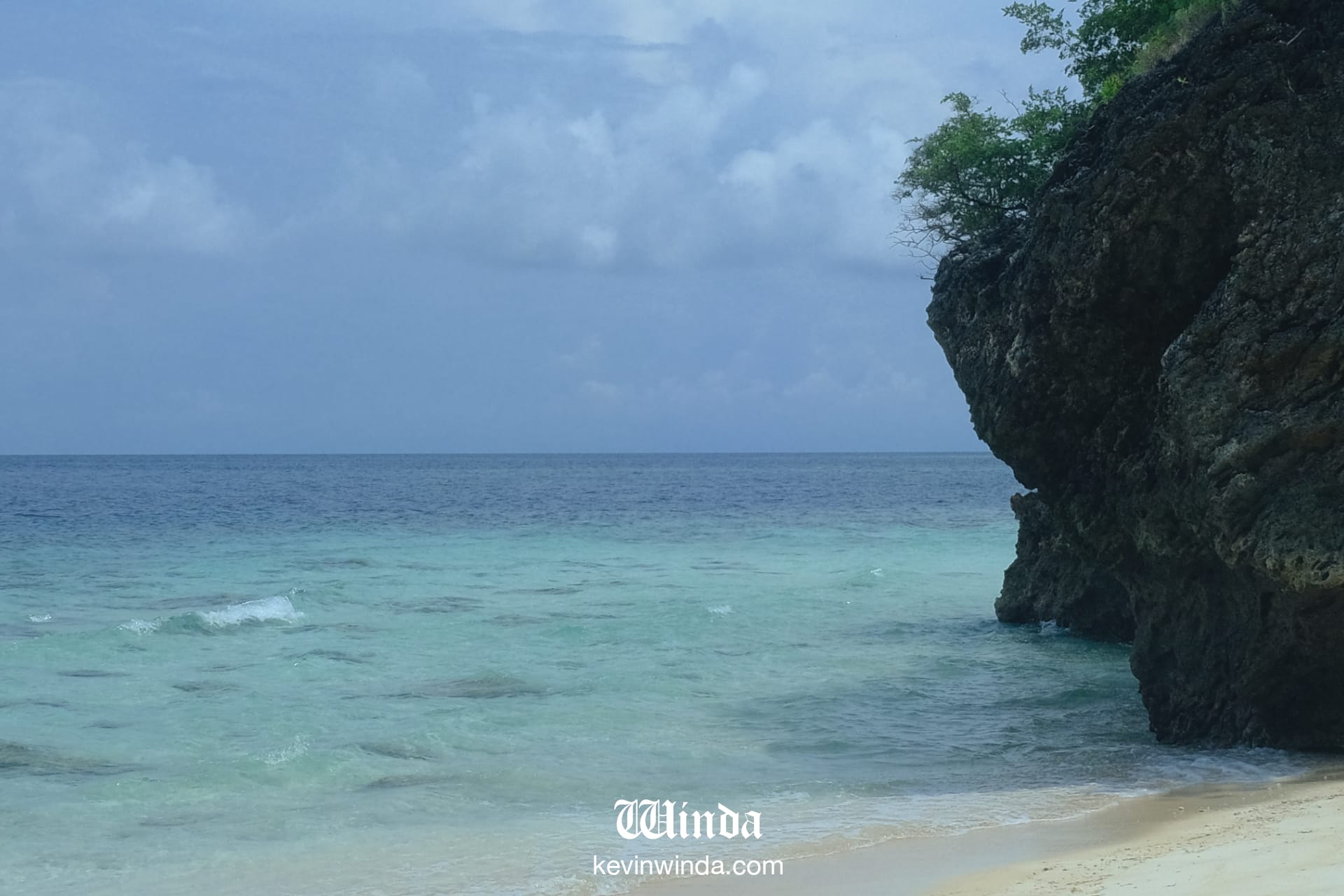
Why Choose Wakatobi for Wellness and Nature Immersion
Wakatobi isn't just a destination—it's a meditation and wellness philosophy embodied in nature. For prime wellness enthusiasts, this remote paradise aligns perfectly with pursuits of harmony, peace and revitalization. The archipelago's isolation ensures minimal light pollution, making it ideal for stargazing and coastal meditations at dawn or dusk. The pristine waters, rich in oxygen and minerals, offer therapeutic swimming experiences that invigorate the senses and promote physical healing.
- Untouched Nature: Over 1.4 million hectares of protected marine park, home to more than 750 species of coral—surpassing even the Great Barrier Reef in diversity—and 942 fish species, creating a living aquarium for mindful exploration.
- Remote Island Vibes: With no major cities nearby, Wakatobi provides true seclusion, allowing for deep relaxation amid lush mangroves, seagrass meadows, and white-sand beaches.
- Holistic Activities: From ocean meditation on secluded shores to yoga sessions overlooking turquoise lagoons, the environment fosters mental clarity and emotional balance.
Studies highlight the restorative power of such environments: immersion in blue spaces like Wakatobi's oceans can reduce stress hormones by up to 20%, enhancing overall well-being.
Exploring Wakatobi's Islands: Spotlight on Tomia Island
Wakatobi's four main islands each offer unique facets of natural beauty, perfect for island hopping adventures. Start your journey on Wangi-Wangi, the gateway island with its bustling yet charming harbor, before venturing to Kaledupa's mangrove forests and Binongko's rugged cliffs. However, for us, Tomia Island emerged as the crown jewel for wellness seekers.
Tomia Island, often called the "To" in Wakatobi, is a serene haven of peaceful waters and vibrant reefs. Beaches such as Hondue provide soft sands for coastal relaxation, while the island's interior trails lead through untouched forests teeming with endemic birds—ideal for birdwatching as a form of mindful nature therapy. Island's Kahianga peak offering panoramic views for meditative hikes.
Tomia's underwater world is legendary, with sites like Wandoka Pinnacle, Red Island House Reef (Rumah Merah) and others boasting dramatic walls and macro life. Here, you can swim amid turtles, manta rays, and schools of colorful fish in waters that feel like a natural spa, rich in marine nutrients that benefit skin and circulation.
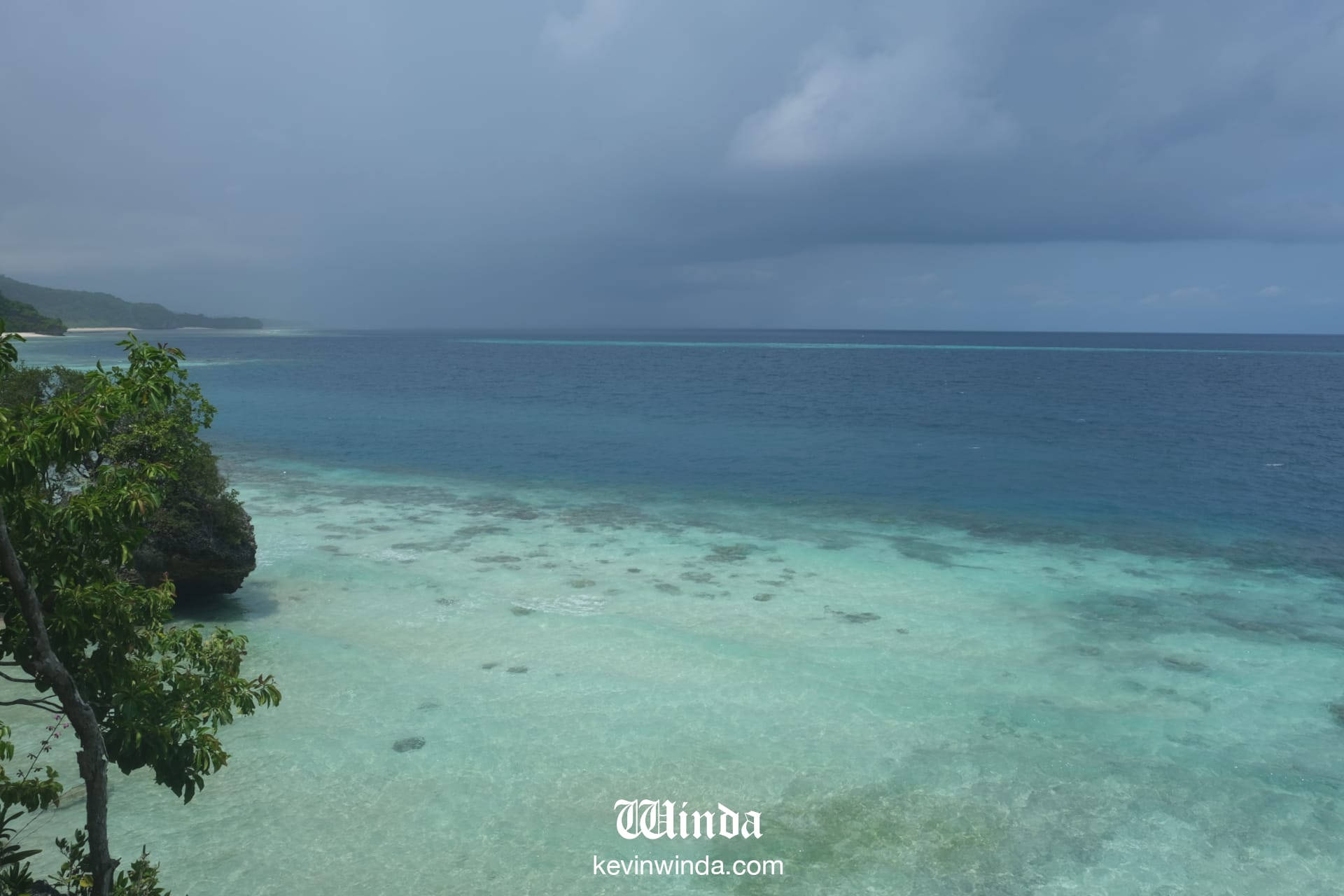
For a complete island-hopping itinerary, charter a traditional wooden boat to weave between atolls, stopping at hidden coves for private picnics and sunset meditations.
Top Wellness Activities in Wakatobi
Snorkeling and Diving in Pristine Reefs
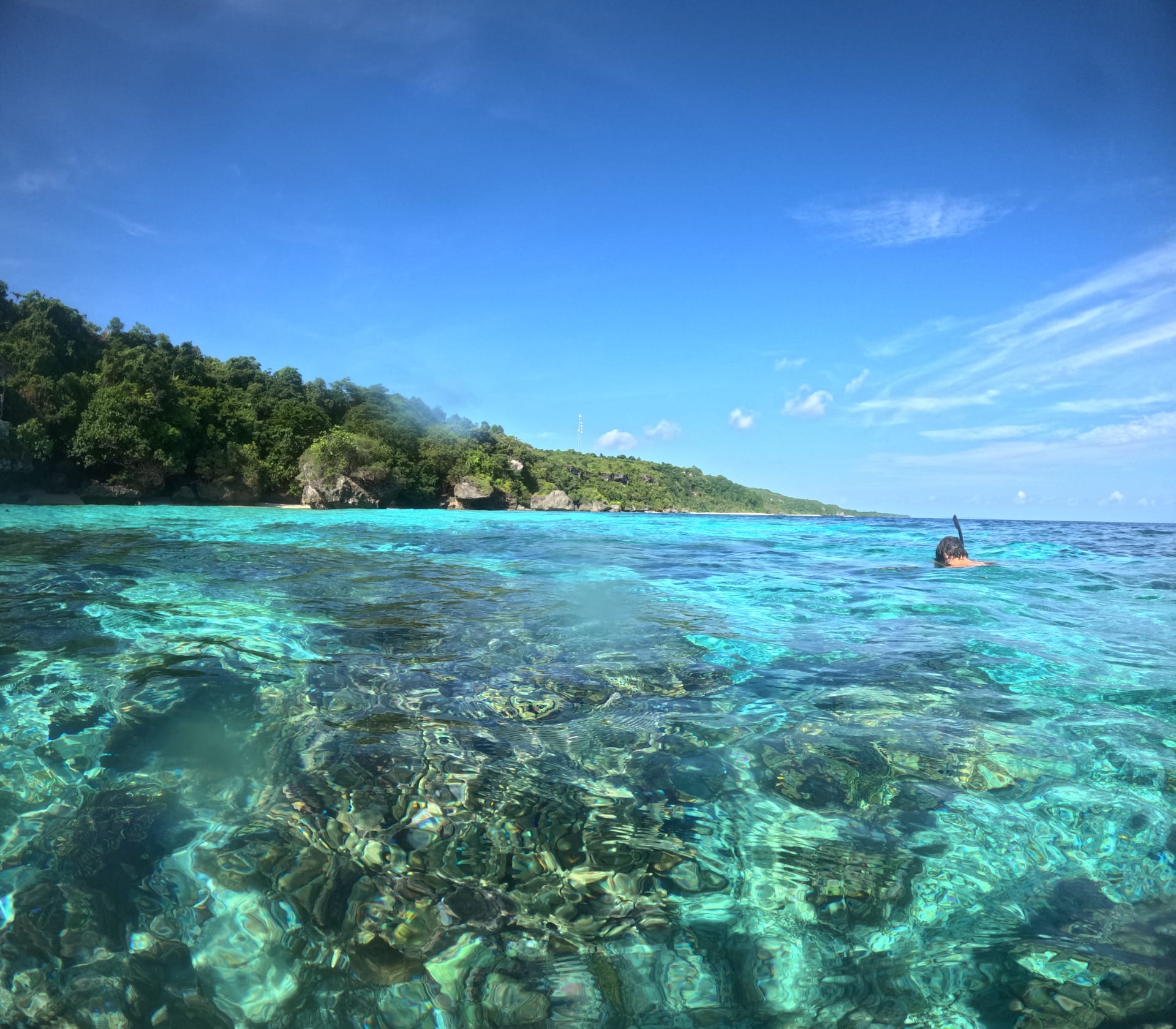
Wakatobi is hailed as the epicenter of coral reef biodiversity, with visibility often exceeding 30 meters. Snorkelers and divers encounter pygmy seahorses, cuttlefish, and giant sea fans in shallow lagoons or deeper walls. Sites like the House Reef allow unlimited access from shore, perfect for gentle, revitalizing swims that connect you to the ocean's rhythm.
For wellness-focused dives, opt for guided sessions emphasizing breath control and mindfulness, akin to underwater yoga. The marine life—including turtles gliding gracefully—evokes a sense of awe and tranquility.
Coastal and Ocean Meditation
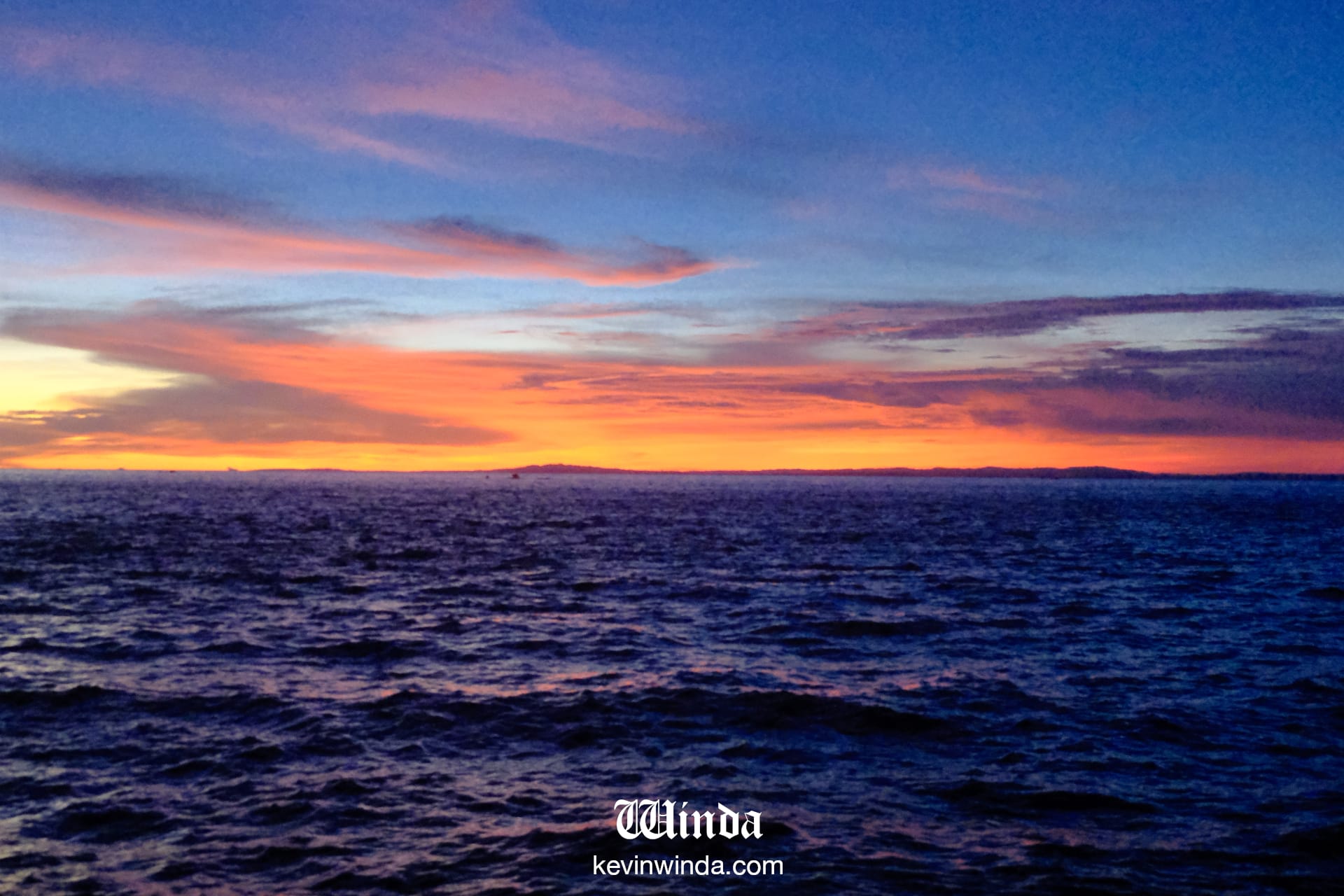
Find peace on Tomia's secluded beaches or during boat excursions. Practice guided coastal sunset meditations, ocean pranayama focusing on the waves' cadence, or join sunrise sessions where the horizon's glow enhances introspection. The nutrient-rich waters amplify the benefits, promoting mental clarity and reduced anxiety.
Island Hopping and Nature Walks
Hop between islands via speedboat or traditional phinisi, discovering hidden gems like the Bajo sea gypsy villages. Nature walks on Tomia reveal endemic flora, while kayaking and paddleboarding offer low-impact ways to engage with the environment.
Swimming in Revitalizing Waters
Wakatobi's clear, mineral-laden waters are a natural tonic. Swim amid vibrant marine life for an invigorating experience that boosts circulation and endorphins, leaving you refreshed and energized.
Accommodation: Narayan Wellness Resort Featuring Wellness Retreats
Wakatobi's accommodations emphasize eco-luxury, blending seamlessly with nature. For prime wellness travelers, options range from boutique resorts to private homestays.
The Narayan Wellness Resort on Tomia Island stands out as a dedicated haven for rejuvenation. Nestled amid lush greenery and overlooking pristine waters on the West, it offers spacious cabins with ocean views, private bathing, and amenities like organic spa treatments. Indulge into Hindu traditions, Balinese massages, herbal magic, fresh healthy food, aromatherapy sessions, and facials using local ingredients, all designed to harmonize with the island's tranquility. Yoga decks and meditation decks provide spaces for daily practice, while farm-to-table dining focuses on nutrient-rich, sustainable cuisine to nourish the body.
How to Get to Wakatobi
Reaching this remote paradise requires planning but rewards with exclusivity. 1. Domestic flights from Denpasar, Jakarta or Makassar connect to Bau-Bau, followed by a ferry or speedboat (3 hours) to the islands. For seamless travel, book through resorts like Narayan, which often arrange transfers. 2. Fly into Bali's Denpasar Airport (DPS), then take a charter flight (about 2.5 hours) directly to Tomia or Wangi-Wangi via Wakatobi's private airstrip.
Best Time to Visit Wakatobi
Dry season is from March to December, with April to November offering calm seas and peak visibility (up to 40 meters). Water temperatures hover between 26-30°C (79-86°F), ideal for extended swims and dives.
The rest is wet season for the lovers of complete tranquility.Sustainability and Conservation in Wakatobi
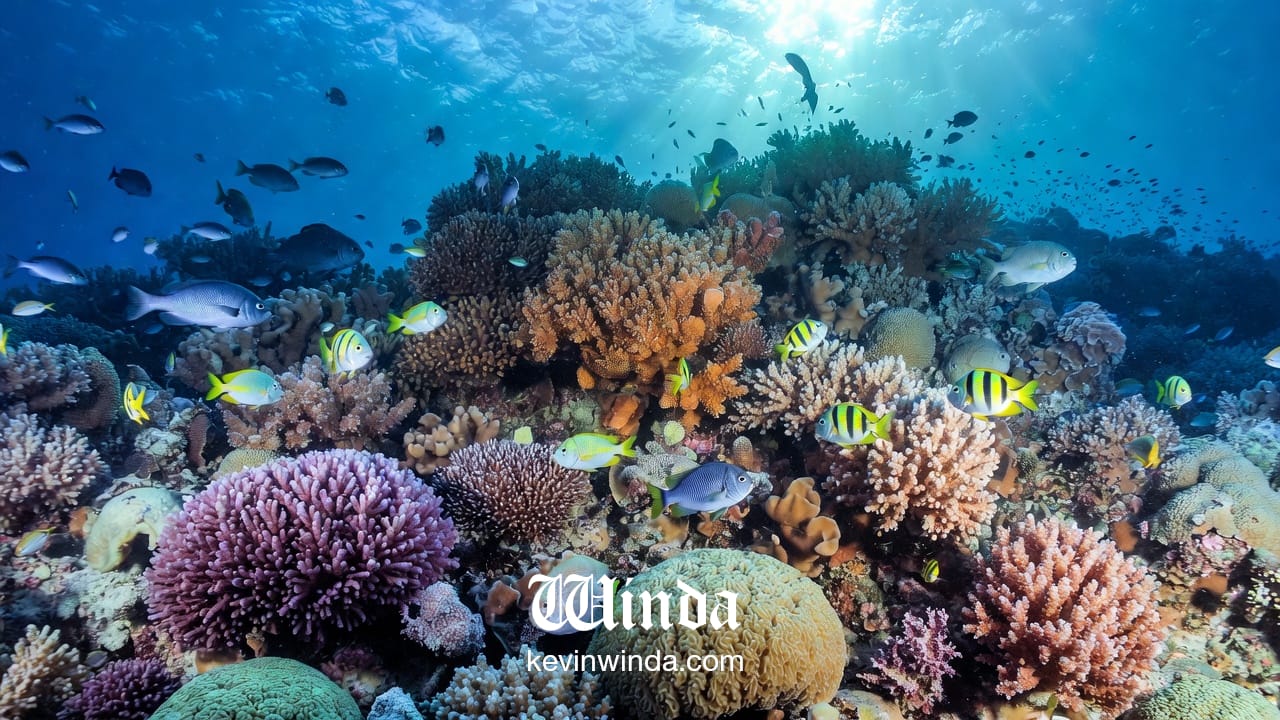
Wakatobi's allure stems from its commitment to preservation. The national park protects ecosystems through collaborative conservation initiatives and programs.
Frequently Asked Questions
What makes Wakatobi unique for wellness travelers?
Wakatobi combines remote isolation with rich marine life, offering activities like ocean meditation and revitalizing swims that promote holistic health in an untouched setting.
Is Wakatobi suitable for non-divers?
Absolutely. Meditation, yoga, snorkeling, island hopping, nature walks, and spa treatments at places like Narayan Wellness Resort cater to all levels, focusing on tranquility and nature immersion.
How do I prepare for snorkeling or diving in Wakatobi?
Bring reef-safe sunscreen, a rash guard, and an underwater camera. Resorts provide gear; certification is not required for snorkeling, and PADI courses are available for divers.
What wildlife can I expect to see?
Expect turtles, manta rays, pygmy seahorses, and over 900 fish species. The reefs host 750 coral types, creating one of the most vibrant underwater worlds on Earth.
Are there cultural experiences in Wakatobi?
Yes. You can visit Bajo sea nomad villages to learn about their traditional sea-faring lifestyle and culture.
What should I pack for a Wakatobi trip?
Lightweight clothing, swimwear, hat, reef-safe sunscreen, insect repellent, reusable water bottle, and sunglasses. A full packing list is provided upon booking.
How do I get to Wakatobi?
Fly to Bau-Bau or Wangi-Wangi Airport (WGI) via Makassar or Jakarta. From there, we arrange boat transfers to the main islands and retreat starting points. Contact us for other routes and options!
Are Kevin Winda retreats available in Wakatobi?
Yes. Kevin Winda regularly curates private and small-group ocean wellness sailing retreats in Wakatobi, combining sailing, meditation, sound healing, and deep nature connection.
How does Wakatobi support conservation?
Through programs funding reef patrols, education, and sustainable tourism, ensuring the coral reefs remain pristine for future generations.