Dream & smile before getting out of the bed

Green Turtle vs Hawksbill Turtle in Wakatobi: A Wellness Traveler’s Guide to Sustainable Encounters

By Kevin Winda • Published April 2026 • Narayan Wellness Resort & Sailing Retreats, Wakatobi National Park, Indonesia

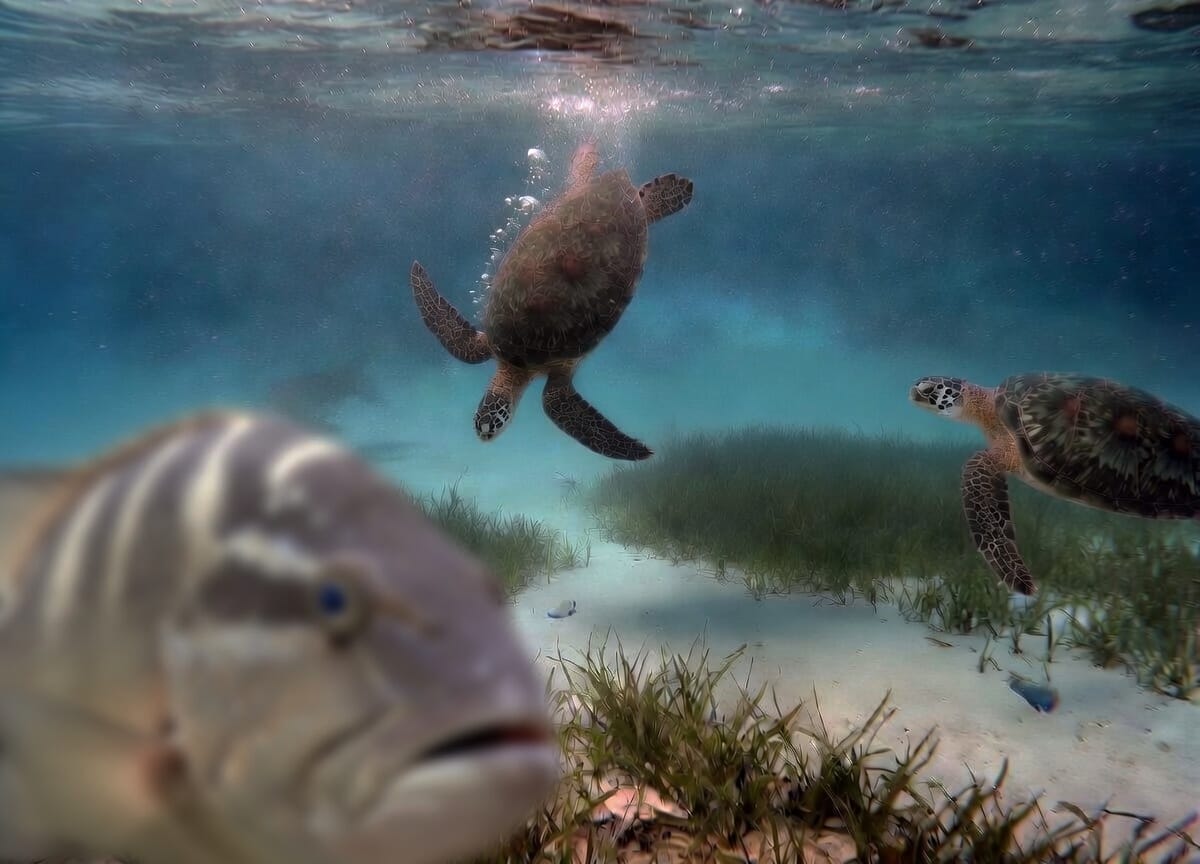
As the sun rises over the crystal-clear waters of Wakatobi National Park, participants on our Kevin Winda sailing wellness retreats often share the same moment of quiet awe: a gentle Green Turtle gliding past the boat or a Hawksbill Turtle methodically foraging among the sponges. These ancient marine guardians have become living symbols of the deep restoration we seek on our private pinisi voyages.

Whether you’re traveling as a family, a small group of friends, or a solo wellness seeker, understanding the differences between Green Turtles and Hawksbill Turtles transforms a simple snorkel or sail into a profound mindfulness practice. At Narayan Wellness Resort in Wakatobi – the serene base for many of our sailing departures – guests reconnect with nature in ways that nourish body, mind, and spirit. This guide draws directly from years of guiding wellness travelers through Wakatobi’s reefs, sharing expert insights, conservation realities, and practical tips to make your encounter truly transformative.

Why Turtle Encounters Matter for Prime Wellness Travelers

In the heart of Indonesia’s Coral Triangle, Wakatobi offers some of the planet’s most pristine reefs. Our Kevin Winda sailing wellness retreats are intentionally designed for conscious travelers who value small-group intimacy (6–9 guests). During daily mindful snorkeling sessions, meditation sails, and pranayama practices at sunrise, participants witness both Green and Hawksbill Turtles in their natural habitat. These sightings aren’t just “wildlife moments” – they become anchors for gratitude, presence, and ecological awareness, aligning perfectly with the restorative ethos of Narayan Wellness Resort.

Meet the Green Turtle (Chelonia mydas)

Green Turtles are the gentle giants of Wakatobi’s waters. Named not for their shell but for the greenish color of their body fat (from a diet rich in seagrass and algae), these herbivores are frequent visitors to the shallow seagrass beds surrounding Narayan Wellness Resort and our sailing routes.

  • Size & Appearance: Adults reach up to 1.2 meters (4 feet) and weigh 136–180 kg (300–400 lbs). Their carapace is smooth, rounded, and often olive-brown with radiating patterns.
  • Head & Beak: Rounded, blunt head with a small, non-protruding beak and just two prefrontal scales between the eyes.
  • Diet & Behavior: Primarily herbivorous as adults, grazing on seagrass like underwater lawnmowers. They are strong, graceful swimmers often seen resting on the reef or cruising calmly.
  • Conservation Status: Listed as endangered or threatened depending on the population; Wakatobi’s protected waters provide vital foraging grounds.

On our retreats, guests frequently observe Green Turtles during snorkelling and sails – their steady, unhurried presence perfectly mirroring the pranayam (breathwork) we practice on the coast and aboard the pinisi boat, yacht or catamaran.

Meet the Hawksbill Turtle (Eretmochelys imbricata)

Hawksbill Turtles are the artisans of the reef, known for their striking, overlapping shell scutes that once made them targets for tortoiseshell trade. Their hawk-like beak is perfectly adapted for precision feeding in the coral gardens of Wakatobi.

  • Size & Appearance: Smaller and more compact – typically 0.8–0.9 meters (2.5–3 feet) and 45–68 kg (100–150 lbs). The carapace has a serrated, saw-like edge with overlapping scutes that resemble roof shingles, often mottled or covered in algae.
  • Head & Beak: Narrow head with a distinctive pointed, hooked “hawk” beak and four prefrontal scales (two pairs) between the eyes.
  • Diet & Behavior: Carnivorous sponge specialists. They delicately pick at sponges, sea anemones, and jellyfish, often seen “standing” on the reef with their flippers.
  • Conservation Status: Critically endangered – one of the most threatened sea turtle species worldwide. Every sighting in Wakatobi is a powerful reminder of why responsible wellness travel matters.

During our Kevin Winda sailing wellness retreats, Hawksbills usually appear during reef explorations, inviting guests into moments of silent observation that deepen their meditation practice.

Green Turtle vs Hawksbill Turtle in Wakatobi: Side-by-Side Comparison

Feature Green Turtle Hawksbill Turtle
Scientific Name Chelonia mydas Eretmochelys imbricata
Adult Size Up to 1.2 m / 300–400 lbs 0.8–0.9 m / 100–150 lbs
Shell Shape Smooth, rounded, adjoining scutes (like tiles) Serrated edges, overlapping scutes (like shingles)
Head & Beak Rounded head, small blunt beak Narrow head, sharp hawk-like beak
Prefrontal Scales 2 (one pair) 4 (two pairs)
Claws on Flippers 1 per flipper 2 per flipper
Diet Herbivore (seagrass & algae) Carnivore (sponges & invertebrates)
Common in Wakatobi Very common in seagrass beds Common on coral reefs
Conservation Status Endangered / Threatened Critically Endangered

This comparison is based on direct observations from wellness snorkel and sails in Wakatobi National Park.

Where & When to Encounter Turtles During Kevin Winda Sailing Wellness Retreats

Our private yacht and pinisi charters have a stop at Narayan Wellness Resort and explore the protected waters of Wakatobi National Park. Prime turtle viewing occurs:

  • Green Turtles: Early morning and afternoon seagrass meadows near Tomia Island – ideal for sunrise breathwork sessions.
  • Hawksbill Turtles: Midday coral bommies and reef walls – perfect for mindful snorkeling after yoga.
  • Best Season: April to October (dry season) offers the clearer visibility and calmer seas for our wellness voyages. But this is personal - many people love the wet season with it's tranquility.

Small-group sizes ensure every traveler gets personal guidance on respectful observation, turning each sighting into a shared wellness ritual.

Conservation & Responsible Wellness Travel in Wakatobi

Wakatobi National Park is a UNESCO Marine Biosphere Reserve. Our Kevin Winda sailing wellness retreats partner directly with local communities and Narayan Wellness Resort to support coral reef and turtle protection. We practice and teach “leave-no-trace” snorkeling, support conservation programs, and limit group sizes to minimize impact.

Every retreat participant contributes to marine guardianship simply by choosing conscious travel. Green and Hawksbill populations benefit from the protected status of these waters – a living example of how wellness tourism can actively heal the planet.

How Turtle Sightings Enhance Your Wellness Journey

On our sailing retreats, encountering these turtles becomes a meditation in itself. The Green Turtle’s calm grazing teaches patience and nourishment; the Hawksbill’s focused foraging reminds us of precision and presence. Families bond over shared wonder, small groups deepen connections, and solo travelers find profound inner peace. These moments align perfectly with the organic spa treatments, sound healing, and ocean mindfulness practices offered at Narayan Wellness Resort.

Practical Tips for Responsible Turtle Watching on Our Retreats

  1. Maintain a respectful distance (at least 3 meters).
  2. Never touch or chase turtles.
  3. Avoid flash photography or loud noises.
  4. Follow your wellness guide’s lead for the best ethical viewing.
  5. Support local conservation by joining our optional reef restoration activities.

Ready to Meet Wakatobi’s Turtles on a Kevin Winda Sailing Wellness Retreat?

Whether you dream of family bonding in nature, intimate small-group discovery, or solo rejuvenation, our private sailing retreats from Narayan Wellness Resort offer the perfect setting. Limited to just 6–9 guests, each retreat is a co-created journey of mindfulness, movement, and marine magic.

Explore our Wakatobi Meditation Sailing Retreat dates and book your transformative wellness voyage today at kevinwinda.com.

Comprehensive FAQ: Green Turtle vs Hawksbill Turtle in Wakatobi

Q: What is the easiest way to tell a Green Turtle from a Hawksbill Turtle while snorkeling in Wakatobi?

A: Look at the head first – Green Turtles have a rounded face and only two prefrontal scales between the eyes. Hawksbills have a pointed hawk-like beak and four prefrontal scales. From above, Green shells appear smooth and rounded while Hawksbill shells look serrated with overlapping plates.

Q: Are both species commonly seen during Kevin Winda sailing wellness retreats?

A: Yes. Both Green and Hawksbill Turtles are regularly encountered on our daily mindful snorkeling sessions and sailing routes around Narayan Wellness Resort in Wakatobi Islands and other destinations of our retreats.

Q: Which turtle is bigger – Green or Hawksbill?

A: Green Turtles are significantly larger, often reaching 300–400 lbs compared to the Hawksbill’s 100–150 lbs.

Q: What do Green Turtles eat in Wakatobi?

A: As adults, they are herbivores that graze on seagrass and algae, which gives their fat its characteristic green tint.

Q: What is the diet of Hawksbill Turtles?

A: They primarily eat sponges, jellyfish, and other invertebrates, using their specialized beak to pick food from the reef.

Q: Are Green and Hawksbill Turtles endangered in Wakatobi?

A: Green Turtles are endangered or threatened; Hawksbills are critically endangered. Our retreats emphasize education and low-impact observation to support their protection.

Q: When is the best time of year to see turtles in Wakatobi on a wellness retreat?

A: April through October offers the calmest seas, clearest water, and highest turtle activity during our sailing season. But some people prefer the wet season (November - March, with more rainy weather) due to solitude and tranqulity, when you still meet turtles everyday at snorkelling and diving spots.

Q: Can families join Kevin Winda sailing wellness retreats and see turtles safely?

A: Absolutely. Our small-group retreats are family-friendly with gentle activities and professional wellness guides who prioritize safety and education for all ages.

Q: Do I need to be an experienced snorkeler to see turtles on your retreats?

A: No. We provide guidance, equipment, and shallow-water options suitable for beginners, families, and wellness-focused travelers.

Q: How does observing turtles support wellness at Narayan Wellness Resort?

A: Turtle encounters become natural mindfulness anchors, enhancing meditation, breathwork, and gratitude practices offered on the pinisi yacht, catamaran and at the resort.

Q: What conservation efforts does Kevin Winda support through these retreats?

A: Every booking contributes to local marine protection, low-impact tourism, and community partnerships that help safeguard Wakatobi’s turtle populations for future generations.

Q: Can solo travelers join a small-group sailing retreat focused on turtles and wellness?

A: Yes – our retreats are ideal for solo wellness seekers who value intimate groups and personalized guidance in one of Indonesia’s most pristine marine environments.

Q: Are there turtle nesting beaches near Narayan Wellness Resort?

A: Yes. Wakatobi has protected nesting sites where Green Turtle hatchlings emerge – a magical experience often shared during our extended wellness programs.