Balancing Paradise: Indonesia's Off-the-Beaten-Path Coastal Wellness Tourism – Accessibility Challenges in Remote Islands and the Path to Sustainable Prosperity
Curated by Kevin Winda – Ocean Wellness Guide & Retreat Curator
Published: December 17, 2025 • Last updated: February 15, 2026
I. Introduction
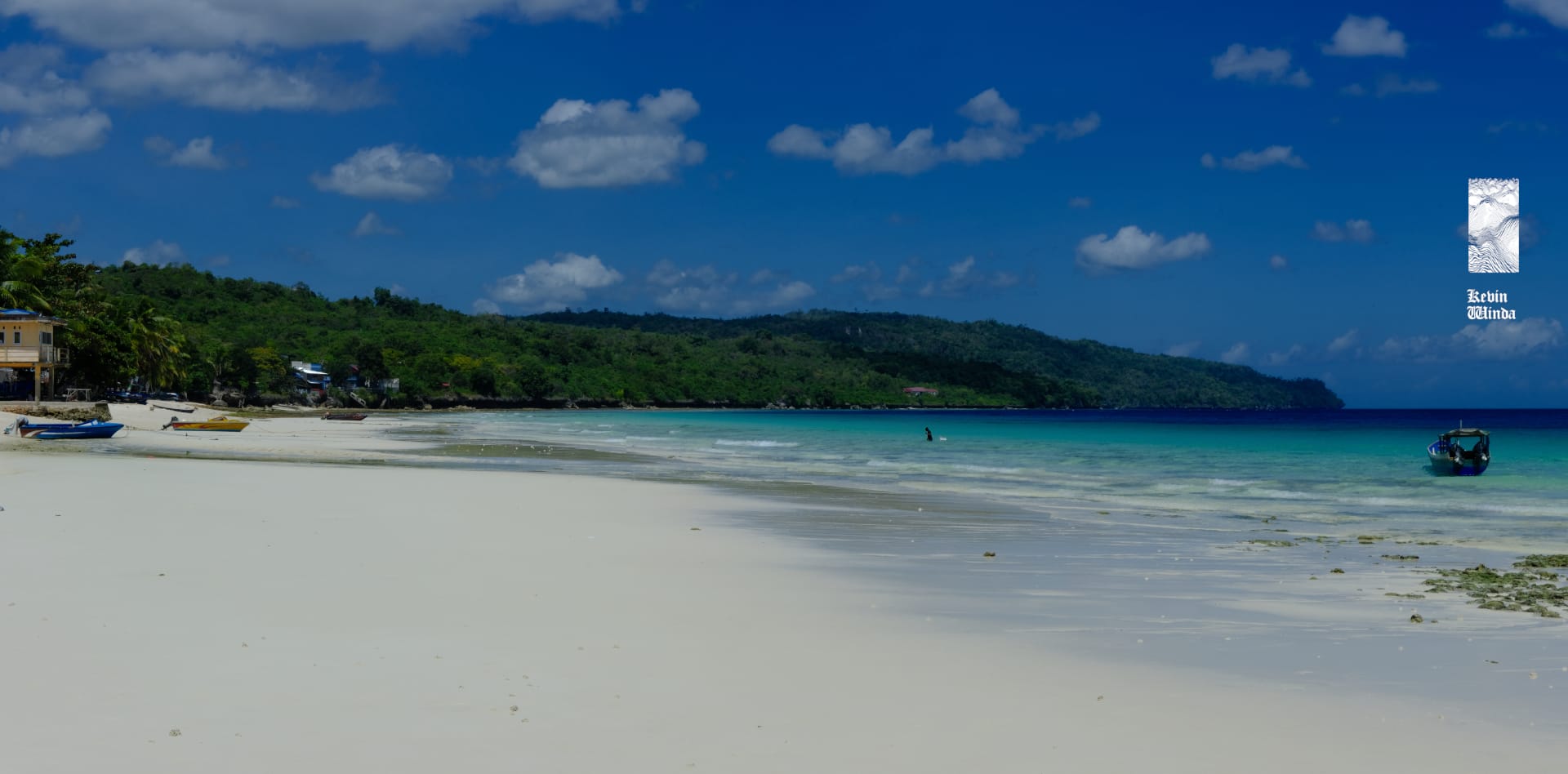
Indonesia's vast archipelago, with over 17,000 islands, hides some of the world's most pristine and spiritually charged coastal destinations — far from city crowds. As a dedicated explorer with years of immersions in these off-the-beaten-path realms, documented extensively on kevinwinda.com, I've witnessed firsthand the profound allure of remote islands in Sulawesi, Flores, Komodo, Java, Sumba, Maluku, Lombok, Rote, and others: turquoise waters pulsing with life, ancient traditions harmonizing with nature, and coastal energies ideal for deep meditation and holistic renewal.
These destinations offer discerning wellness and spiritual travelers — those seeking health, harmony with nature, and authentic energy exchange — a nature temple for reconnection. For instance, during a silent retreat in Sulawesi's lagoons, the ionic mist and rhythmic waves facilitated profound spiritual clarity, resonating deeply with seekers of inner harmony. Yet, their remoteness presents both a gift and a challenge. This article, drawing from my personal journeys and insights shared on kevinwinda.com, explores how mindful accessibility can elevate economic prosperity and community wellbeing without compromising cultural integrity or environmental health. The path forward lies in sustainable, reciprocal tourism that honors the delicate balance of wonderful nature.
II. The Accessibility Challenge in Remote Indonesian Islands
Geographical isolation defines these coastal havens: limited domestic flights, seasonal ferries, and rugged roads preserve their untouched essence but demand intentional travel. From my experiences detailed on kevinwinda.com — navigating boats to Tomia Island or hiking foggy jungles in Flores over multiple visits — the journey itself becomes a meditative prelude, filtering for travelers who value depth over convenience. For researchers and government workers, this isolation underscores the need for data-driven infrastructure planning to balance access with preservation.
High costs and reliance on small operators ensure low visitor numbers, safeguarding the serene coastal energies perfect for costal meditation. Yet, as Indonesia's tourism outlook emphasizes inclusive growth, thoughtful infrastructure improvements could open these doors wider without inviting mass influx. According to recent policies from the Indonesian Ministry of Tourism, initiatives like the Tourism Village Development Program aim to enhance connectivity in remote areas while prioritizing sustainability.
III. Economic Impacts of Limited and Increasing Accessibility
Limited access has protected local economies from exploitative leakage, fostering traditionally-owned initiatives. In places like East Nusa Tenggara (explored in depth on kevinwinda.com), tourism revenue supports traditional livelihoods, from textile arts and crafts to nature guiding.
Mindful increases in accessibility — through sustainable flights and eco-transport — can create jobs in wellness guiding and holistic retreats, boosting incomes while avoiding seasonal dependency. The key: models where profits recirculate locally, enhancing prosperity without external dominance.
IV. Impacts on Local Traditional Populations and Wellbeing
Remote islands cradle ancient cultures and megalithic traditions that thrive in harmony with nature. Unchecked growth risks eroding traditions and land rights. Wellbeing flourishes when visitors engage respectfully, supporting indigenous practices that align with spiritual travelers' quests for authentic harmony.
V. Overtourism Risks and Mitigation Strategies
Bali serves as a stark cautionary tale: overtourism has strained resources, diluted cultural authenticity, and disrupted natural harmony. In contrast, remote islands remain temples of unspoilt nature and rich cultural heritage, with early traditionally-led models — such as visitor caps and zoning — preventing similar fates.
Strategies like those promoted in Indonesia's sustainable initiatives, ensure growth supports rather than overwhelms, preserving the quiet coastal spaces essential for meditation and renewal.
VI. Eco-Resorts and Sustainable Tourism Development
The rise of eco-resorts in remote settings exemplifies low-impact luxury: stone, bamboo and timber structures, turf roofs, rammed earth, and locally sourced natural materials, blending seamlessly with coastal energies and preserving the untouched landscape. Properties prioritize environmental protection, marine conservation, and local employment, offering premium experiences tailored for wellness seekers who value harmony with nature.
Architecture in eco resorts follows strict low-impact principles: elevated designs on stilts or minimal footprints to avoid disrupting ecosystems, natural ventilation, and integration into the terrain so buildings appear as extensions of the jungle or coastline rather than intrusions. This ensures the pristine vistas and coastal energies remain intact for meditation, bathing, gazing, and other wellness practices.
Many eco-resorts actively promote health and wellbeing through integrated wellness programs: organic farm-to-table dining, Jamu herbal traditions, yoga overlooking reefs, and holistic therapies drawing from Indonesian healing practices. These offerings nourish body and spirit while supporting local agriculture and reducing food miles.
Visitor education forms a cornerstone of genuine sustainability: guided marine conservation tours, coral restoration workshops, cultural immersion sessions with indigenous people, and briefings on low-impact behaviors. As highlighted in my explorations on kevinwinda.com, these programs empower travelers to become mindful beings, deepening their connection to the islands' fragile beauty.
Challenges like greenwashing are mitigated through genuine population involvement and transparent certifications — principles advocated for truly regenerative practices that uplift local wellbeing without compromising the natural harmony discerning spiritual & wellness travelers seek.
VII. Wellness Tourism: Coastal Meditation and Holistic Experiences
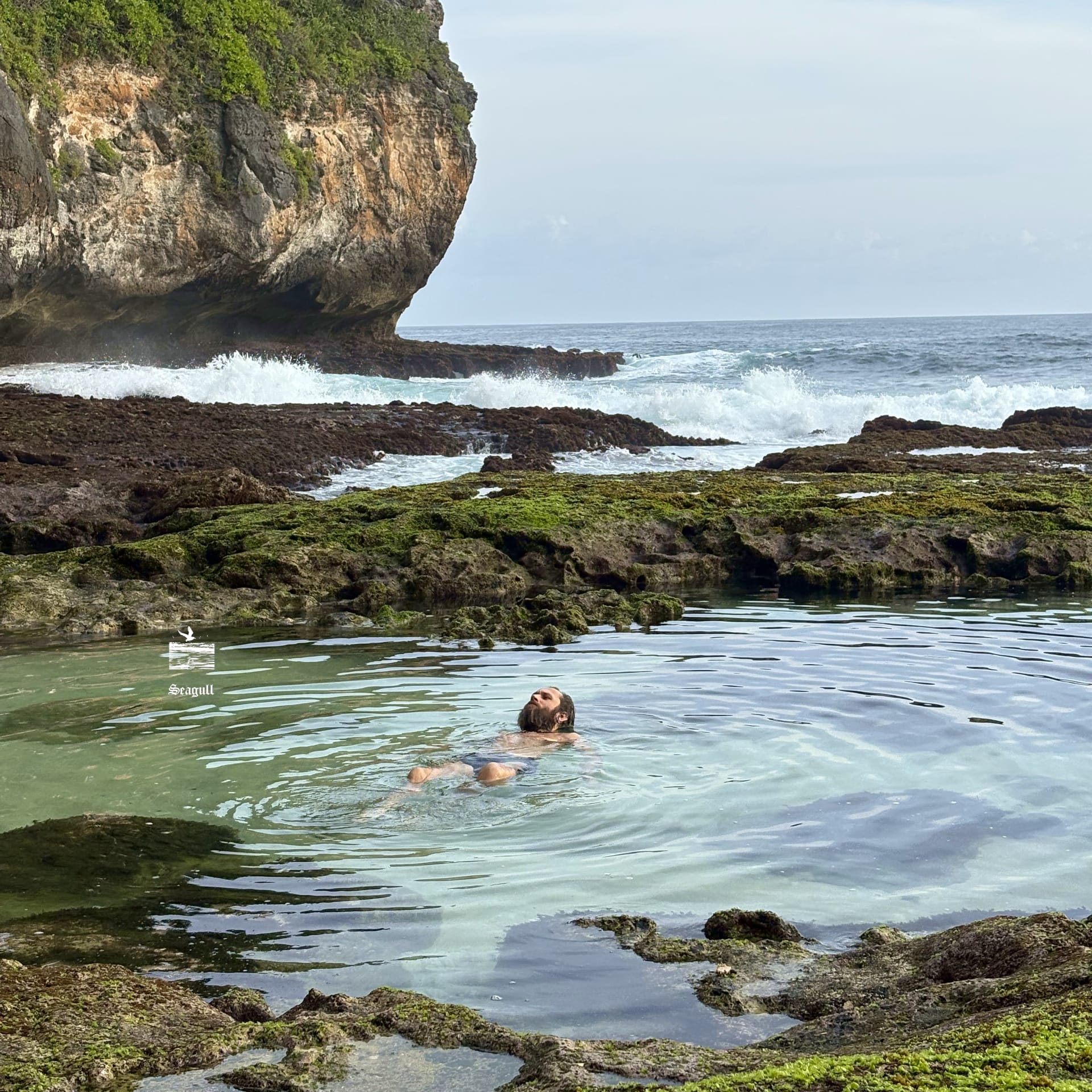
Off-the-beaten-path coastal wellness is emerging as Indonesia's quiet shift: sunrise & sunset yoga, caostal & ocean meditation, chanting and bathing amid remote islands' lagoons. These settings amplify coastal energy — salty winds, the rhythmic waves, revitalising tides, ionic breezes — for profound meditation and healing. Studies show that coastal environments reduce stress, improve mood, and enhance overall well-being, with benefits like reduced risk of chronic diseases.
Integrating indigenous practices, such as Jamu herbal traditions, wind and water rituals, singing, and music creates holistic journeys that resonate with spiritually attuned travelers. For artists, these experiences inspire creative expression through natural aesthetics.
VIII. Preserving Natural and Cultural Integrity While Boosting the Economy
Sustainable practices — marine conservation in Wakatobi, Sulawesi, Raja Ampat, and Komodo, landscape-friendly architecture in resorts — maintain the vibrant natural health drawing wellness seekers. Cultural initiatives like homestays and craft support ensure traditions endure.
Revenue-sharing schemes prioritize long-term local population benefits, proving economy and integrity can coexist. Wellness tourism, in particular, spreads benefits to rural areas, fostering innovation and community resilience.
IX. Policy Recommendations and Future Outlook
Government and NGOs could champion local population empowerment. Drawing from global best practices and Indonesia's vision, inclusive planning can position these islands as beacons of sustainable wellness.
In Indonesia's off-the-beaten-path coastal wellness tourism, we find a delicate yet promising balance: accessibility that uplifts economies and traditions while safeguarding nature, culture, and spiritual essence. As shared through my journeys on kevinwinda.com, mindful travel — rooted in energy exchange — honors this paradise.
For well-educated seekers of health and harmony, these remote islands offer not just escape, but profound reconnection. Let us tread lightly, reciprocally, envisioning them as enduring models of sustainable, soul-nourishing prosperity.