
Ultimate Seaweed Wellness Guide
Curated by Kevin Winda – Ocean Wellness Guide & Retreat Curator
Published: January 28, 2026 • Last updated: May 21, 2026
Welcome to the Wellness Academy series from Wakatobi Narayan Eco Wellness Resort, where we dive deep into nature's gifts for holistic health. Nestled in the heart of Indonesia's Wakatobi archipelago—renowned for its pristine marine ecosystems and vibrant coral reefs—our eco-resort celebrates the transformative power of seaweed. This ancient superfood from the sea isn't just a culinary staple; it's a cornerstone of wellness, offering profound benefits for nutrition, skin care, detoxification, and overall vitality. In this comprehensive guide, we'll explore the seaweeds native to Wakatobi, sustainable farming practices, therapeutic bathing rituals, nourishing masks, and more. Whether you're planning a visit or seeking at-home inspiration, discover how seaweed can elevate your wellness journey.
The Diverse Seaweeds of Wakatobi: A Marine Treasure Trove
Wakatobi’s crystal-clear waters and biodiverse reefs make it a hotspot for seaweed species, both wild and cultivated. Indonesia boasts over 325 identified seaweed varieties, including 103 green algae (Chlorophyceae), 167 red algae (Rhodophyceae), and 55 brown algae (Phaeophyceae). In Wakatobi specifically, the focus is on red seaweeds prized for their commercial and health value, such as those used in carrageenan production—a natural thickener with anti-inflammatory properties.
Key Species Found in Wakatobi
- Kappaphycus alvarezii (formerly Eucheuma cottoni or "cottoni") — A staple in local cultivation, rich in kappa-carrageenan. It supports gut health, has antiviral properties, and thrives in Wakatobi's warm, shallow waters.
- Eucheuma denticulatum (formerly Eucheuma spinosum or "spinosum") — This spiky red seaweed produces iota-carrageenan, ideal for skincare due to its hydrating and soothing effects. It's resilient in nutrient-low environments and a preferred crop in the region.
- Hypnea spp. — A red seaweed common in Indonesian waters, used for agar production. It offers antioxidant benefits and supports immune function.
- Gracilaria spp. — Valued for its agar content, which aids digestion and skin elasticity.
- Sargassum spp. (e.g., Sargassum polycystum) — Brown seaweeds that grow wild in Wakatobi's reefs, providing fucoidan—a compound with anti-inflammatory and potential anti-cancer benefits.
- Ulva spp. (Sea Lettuce) — Green seaweeds rich in chlorophyll, promoting detoxification and nutrition.
While seagrasses dominate some meadows, true macroalgae (seaweeds) are central to our wellness programs. We source these sustainably to preserve Wakatobi's ecological balance.
Sustainable Seaweed Farming in Wakatobi: From Ocean to Wellness
Seaweed farming has been a lifeline for Wakatobi communities since the mid-1990s, starting with Eucheuma cottoni seedlings. Today, it's a model of eco-friendly agriculture, with longline methods cultivating species like Kappaphycus alvarezii and Eucheuma denticulatum in shallow lagoons. Farms in villages such as Liya, Sombano, and Liya Onemelangka support livelihoods while absorbing CO2, improving water quality, and requiring no fertilizers or heavy machinery.
Government initiatives, including a 50-hectare modeling project by the Ministry of Marine Affairs and Fisheries in Wakatobi, focus on sustainable production and downstreaming (e.g., biofuels, plastics, cosmetics). WWF-Indonesia assesses carrying capacity to prevent overfarming. At our resort, we partner with local farmers for fresh, organic seaweed and offer guided tours that educate guests on these practices.
Nutritional Powerhouse: Fueling Body and Mind with Seaweed
Seaweed is a low-calorie superfood packed with essential nutrients. It's one of the best natural sources of iodine for thyroid health and metabolism, plus magnesium for muscle function, iron for energy, and fiber for gut microbiome and heart health. Antioxidants like fucoxanthin combat inflammation, while vitamins A, B12, C, E, and omega-3s (DHA/EPA in some varieties) bolster immunity, skin repair, and vitality.
- Iodine → Supports thyroid function and metabolism
- Magnesium, calcium, iron → Muscle, bone, and energy health
- Antioxidants (fucoxanthin, polyphenols) → Fight inflammation and oxidative stress
- Fiber → Promotes gut health, satiety, and heart wellness
- Vitamins A, B12, C, E → Immunity, skin repair, and overall vitality
Incorporate it into meals at our resort: fresh salads with Ulva, smoothies with Hypnea, or wraps using Gracilaria for a nutrient boost that aids weight management and disease prevention.
Seaweed Bathing: A Therapeutic Soak in Ocean Elixir
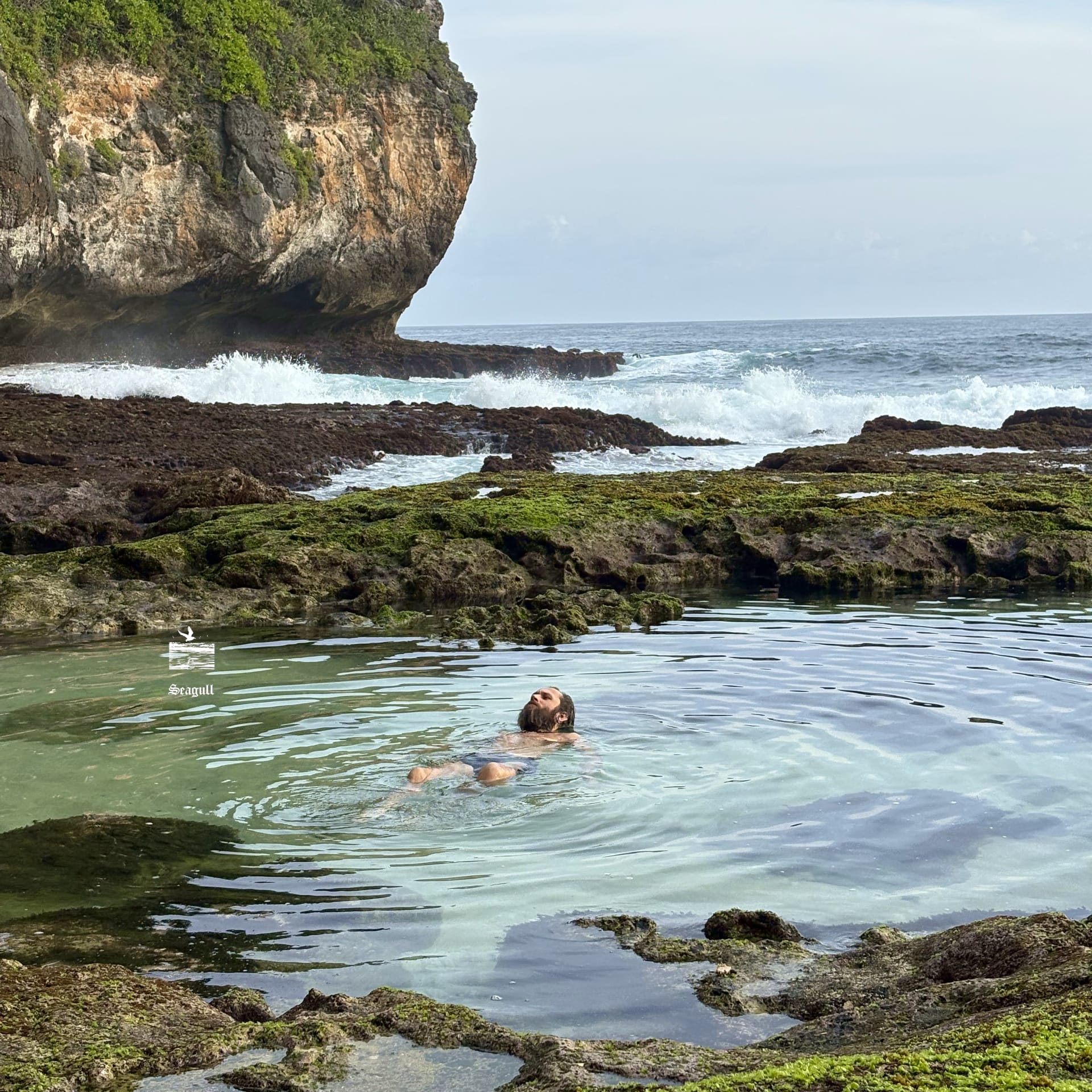
Immerse yourself in the healing ritual of seaweed bathing, drawing on Wakatobi's abundant varieties. Soaks release minerals like iodine, calcium, magnesium, and potassium, allowing transdermal absorption for deep detoxification. Benefits include relief from skin conditions (eczema, psoriasis, acne), reduced inflammation, eased muscle aches and joint stiffness, improved circulation, stress reduction, and softened, hydrated skin.
At the resort, our seaweed baths use fresh Kappaphycus and Eucheuma, often combined with coastal meditation for profound relaxation and renewal.
Seaweed Masks: Nature's Glow-Up for Your Skin
Seaweed masks deliver intense hydration, detoxification, and anti-aging effects through alginates (which form a protective barrier), antioxidants, and minerals. They brighten complexion, reduce fine lines, combat acne, soothe irritation, promote cell regeneration, and even skin tone—ideal for all types, including sensitive skin.
Our spa treatments feature masks with local Sargassum, Gracilaria, and other varieties, enhanced with natural ingredients for ultimate calm and radiance.
Experience Seaweed Wellness at Wakatobi Narayan
At our eco-resort, seaweed is woven into every experience—from guided farm tours and sea-to-table dining to immersive bathing and mask rituals. Our programs emphasize sustainability, ensuring your wellness supports the planet and Wakatobi's marine heritage.
Book Your Ocean Wellness Retreat Today → https://kevinwinda.com/
Comprehensive FAQ
What are the main seaweeds in Wakatobi?
Primarily red varieties like Kappaphycus alvarezii and Eucheuma denticulatum, along with Hypnea, Gracilaria, Sargassum, and Ulva.
Is seaweed farming sustainable in Wakatobi?
Yes, with community-driven practices, government pilots (e.g., 50-hectare modeling), and low-impact methods that improve water quality and sequester carbon.
What nutritional benefits does seaweed offer?
High in iodine, vitamins (A, B12, C, E), minerals (magnesium, iron, calcium), fiber, and antioxidants for thyroid, gut, immune, heart, and skin health.
How does seaweed bathing help the body?
It detoxifies, relieves skin conditions like eczema/psoriasis, reduces inflammation, eases muscle tension, improves circulation, and hydrates skin through mineral absorption.
Are seaweed masks safe for sensitive skin?
Absolutely—they soothe irritation, hydrate deeply, and are gentle; patch-test if iodine-sensitive.
Can I overdo seaweed consumption?
Moderation is key due to high iodine; consult a doctor if you have thyroid issues.
How does the resort source seaweed?
From sustainable local farms in partnership with communities like those in Liya Village.
Is seaweed safe if I’m allergic to seafood?
Seaweed is algae, not shellfish, but check for iodine allergies.
Can seaweed help with weight loss?
Yes, its fiber promotes satiety and low calories aid management.
What are the environmental benefits of seaweed farming?
Carbon sequestration, water filtration, habitat support, and no need for fertilizers or freshwater.
Wakatobi Narayan Eco Wellness Resort – Where Ocean Healing Meets Conscious Living