Drone Sound Therapy by the Sea: Deeper Meditative States
Curated by Kevin Winda – Ocean Wellness Guide & Retreat Curator
Published: January 28, 2026 • Last updated: May 22, 2026
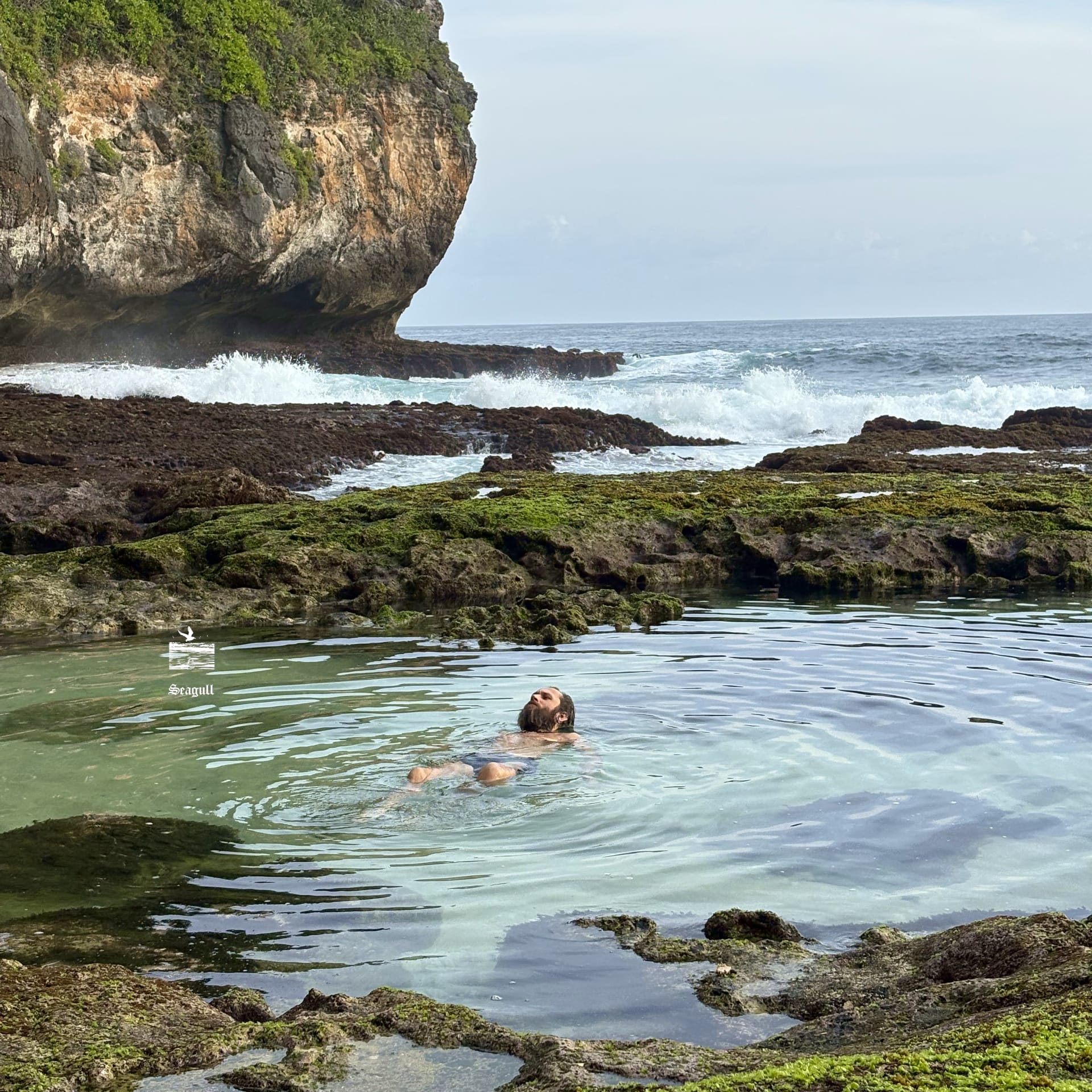
Welcome to the Wellness Academy series by Kevin Winda. Amid the constant stimulation of modern life, finding true stillness can feel elusive. Drone sound therapy—using continuous, layered harmonic tones—offers a gentle yet powerful pathway to deeper meditative states. When practiced by the sea in coastal environment, the sustained drones blend seamlessly with the natural rhythms of waves, wind, and distant marine life, creating an immersive sonic field that invites expanded awareness, and inner harmony.
What Is Drone Sound Therapy?

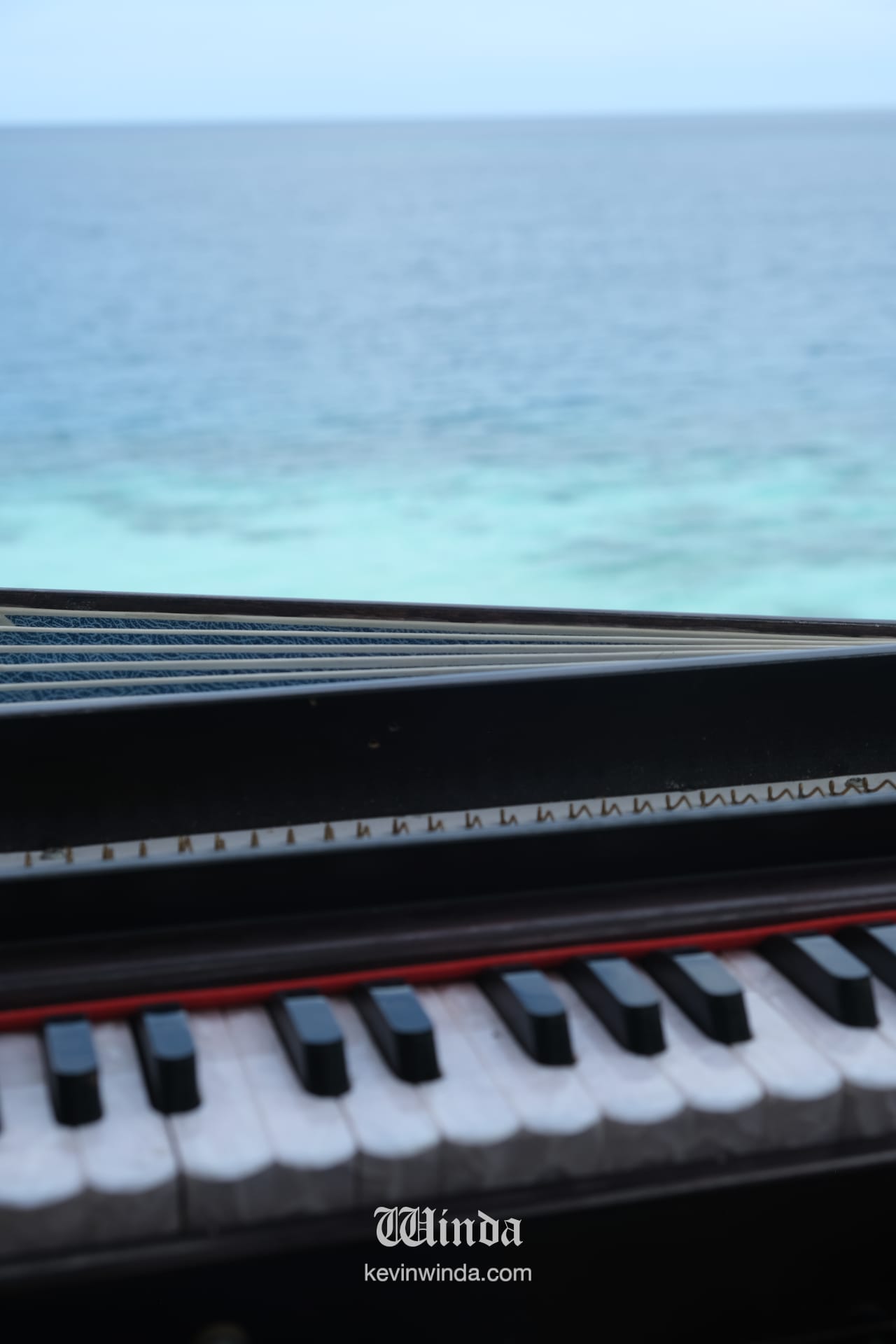
Drone sound therapy centers on prolonged, unchanging tones or chords that evolve slowly through harmonics and overtones. Instruments such as the tanpura (Indian classical drone), bagpipe, horn, flute, harmonium, shruti box, singing bowls, didgeridoo, monochord, or modern guitar fx pedals and synthesizers produce these continuous sounds without melody or rhythm. The listener is invited into deep, receptive listening rather than active analysis, allowing the mind to settle and the nervous system to down-regulate.
This practice draws from ancient traditions—tanpura drones in Indian raga music, bagpipes in Scotland and Ireland, horns in Iceland and Scandinavia, Native American flutes, Tibetan harmonic chanting, Australian Indigenous didgeridoo healing—and has been adapted into contemporary sound healing and meditation sessions worldwide.
Why the Ocean Amplifies the Experience
The sea is nature’s original drone: endless, cyclical wave patterns that carry energy. When drone tones are introduced into this setting, they merge with the ocean’s natural soundscape, creating a unified auditory environment that feels both grounding and expansive—ideal for moving beyond surface-level relaxation into deeper meditative layers.
The Science Behind Deeper States
Research on sustained sound and sound therapy reveals several mechanisms that support profound meditative experiences:
- Brainwave Entrainment — Continuous low-frequency tones encourage the brain to shift from beta (alert, thinking) to alpha (relaxed awareness) and theta (deep meditation, creativity, intuition) states. EEG studies of drone-based practices show increased theta activity and neural coherence.
- Parasympathetic Activation — Sustained sound stimulates the vagus nerve, lowering heart rate, blood pressure, and cortisol while increasing heart-rate variability (HRV)—a marker of resilience and calm.
- Reduced Default Mode Network Activity — Deep listening to drones quiets the brain’s self-referential chatter (the “default mode network”), allowing the mind to rest from rumination and open to presence.
- Ocean Synergy — Exposure to natural water sounds and negative ions further enhances relaxation, with studies linking ocean environments to lower stress, improved mood, and better focus.
Together, drone tones and sea rhythms create a synergistic field that many describe as effortless entry into states once reached only through long-term silent practice.
Benefits of Drone Sound Therapy by the Sea

This combined practice offers targeted support for modern seekers of depth and renewal:
- Profound mental quietude and reduced inner dialogue
- Enhanced emotional balance and release of stored tension
- Improved capacity for sustained focus and presence
- Deeper access to intuition, insight, and creative flow
- Restoration of nervous system regulation after chronic stress
- A felt sense of connection to something larger than the self
Participants often report emerging from sessions feeling simultaneously deeply rested and gently energized—ready to engage life with clarity and openness.
How the Drone Sound Practice is Designed
Drone sound sessions are designed to meet you exactly where you are:
- Arrival & Grounding — Gentle coastal breathing and barefoot contact with sand or warm shallows to anchor the body.
- Sound Immersion — Lying or sitting comfortably as live or high-fidelity drone layers unfold, blending with the natural ocean soundscape. Sessions may last 30–60 minutes.
- Deep Listening Phase — Guidance to follow the drone’s harmonics, notice subtle shifts, and allow thoughts to pass like waves—without effort or judgment.
- Integration — A period of silence, followed by light movement, journaling, or sharing (optional), helping carry the depth into daily awareness.
Sessions are often held at sunrise or sunset when the ocean is calmest and the light softest, enhancing the meditative atmosphere. Complementary elements may include seaweed hydration, pranayama, or post-session coastal walking.
Who This Practice Serves Best
Drone sound therapy by the sea is especially supportive for:
- Those who find silent meditation challenging due to mental restlessness
- Individuals seeking a bridge between active mind and deep stillness
- People desiring a nature-immersed, non-dogmatic approach to meditation
- Anyone longing to reconnect with inner quiet amid a busy or overstimulated life
Drone Meditation Experience in Wakatobi
Drone sessions are offered as part of personalized wellness journeys, always in harmony with Wakatobi’s protected marine environment. Whether you are new to sound work or an experienced meditator, the combination of drone harmonics and ocean presence creates a uniquely supportive field for deeper meditative states and lasting inner harmony.
Comprehensive FAQ
What makes drone sound different from regular music or guided meditation?
It uses continuous, non-melodic tones that invite passive listening and brainwave entrainment rather than active engagement or verbal guidance.
Do I need meditation experience to benefit?
No—drones provide a gentle entry point. Many beginners find it easier to settle into depth than with silent practice.
How long are typical sessions?
30–60 minutes, with shorter introductory sessions available. Longer durations often allow deeper states.
Can I do this practice at home?
Yes—with drone tracks (tanpura apps, YouTube loops) played near water or with ocean recordings—but the live coastal setting offers unmatched immersion.
Is it safe for everyone?
Generally yes. Those with sound sensitivities, epilepsy, or severe anxiety should start with shorter sessions and consult a practitioner if needed.
What should I expect to feel during or after?
Common experiences include deep calm, lightness, emotional release, timelessness, or subtle energy movement. Effects often linger for hours or days.
How does the ocean make the experience deeper?
The natural drone of waves, negative ions, sensory grounding, and expansive horizon create a container that supports effortless surrender and presence.
Will I fall asleep?
Some do briefly (a sign of needed rest), but most remain in a lucid, meditative awareness. The sound field helps maintain gentle alertness.
Can this replace my regular meditation routine?
It can deepen or complement it. Many integrate drone sessions periodically for reset and expansion.
What should I bring or wear?
Comfortable clothing, a mat or towel for lying down, water, and an open mind. Sunscreen and light layers are helpful for coastal timing.
Where Ocean Rhythms and Drone Harmony Guide You Deeper Within - Kevin Winda